Over time, even well-maintained commercial cooling systems lose efficiency and reliability. If you’re noticing performance issues or rising operating costs, it may be time to consider an upgrade.
Watch for these common signs:
Planning a replacement before a failure occurs helps avoid costly emergency downtime and ensures consistent, efficient comfort for your employees and customers year-round.
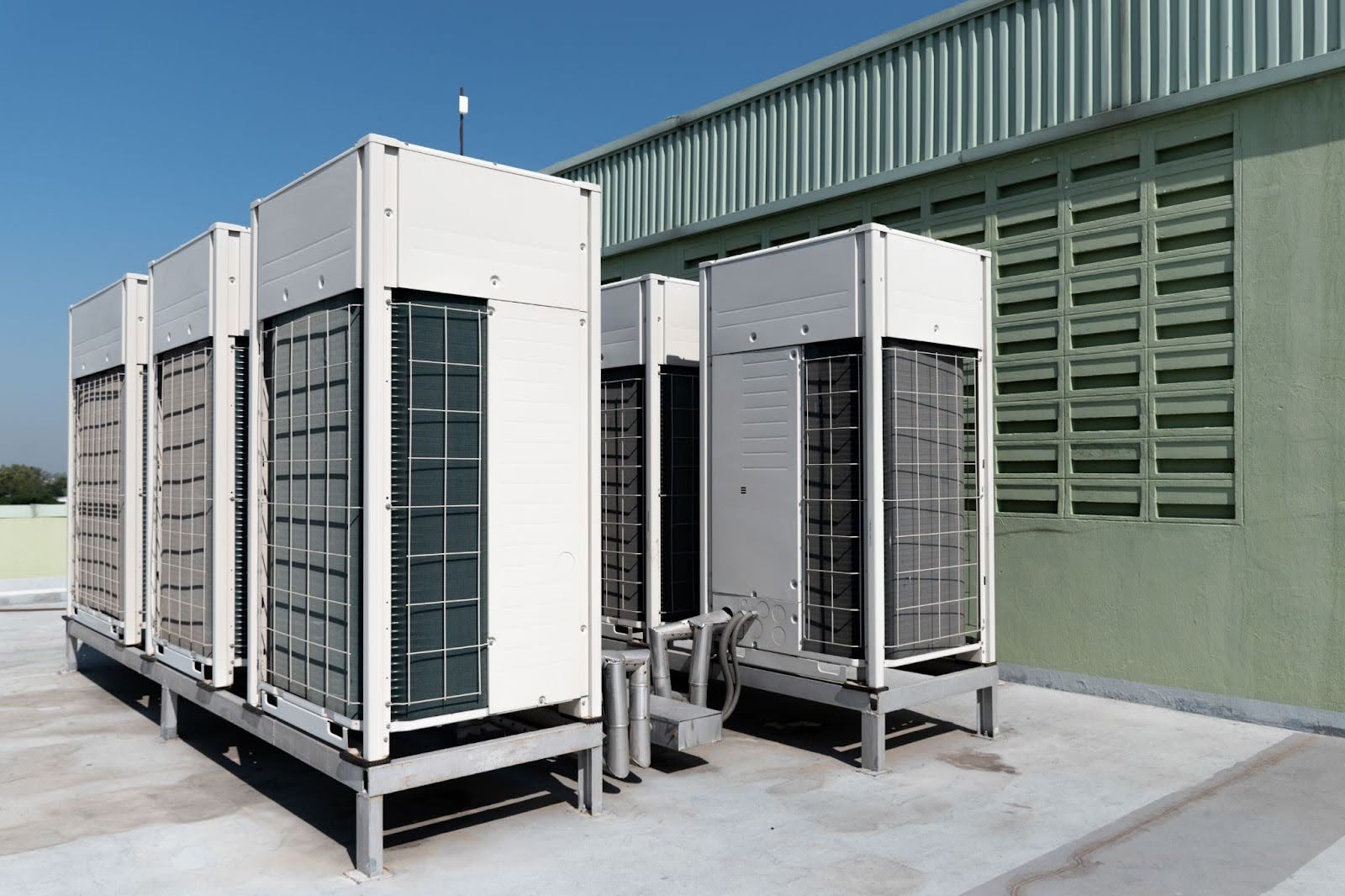
If your commercial cooling equipment uses R-410A refrigerant — which includes virtually all commercial AC systems installed between approximately 2010 and 2023 — there is an important industry change affecting your replacement planning and ongoing service costs right now.
R-410A production and import has been significantly reduced under EPA phasedown regulations targeting high-global-warming-potential refrigerants. The practical consequences for commercial building owners and facility managers are already being felt — R-410A refrigerant prices have increased substantially, and availability for service and emergency top-offs is becoming less reliable. As the phasedown continues, these pressures will intensify.
What this means for your commercial facility:
Our recommendation for NJ commercial facilities:
If your commercial AC equipment is 10 years or older and uses R-410A refrigerant, schedule a replacement evaluation this year - before the cooling season puts maximum stress on aging equipment. We'll assess your system's actual condition, provide an honest repair-vs-replace analysis factoring in current refrigerant costs, and give you a clear picture of your options before circumstances force the decision.
From planning and design to installation and startup, we manage every phase of your commercial AC replacement project.
Commercial AC replacement should be based on performance data and risk, not guesswork. We assess system condition, repair history, and operating efficiency before recommending replacement. This supports informed budgeting and capital planning.
We make the upgrade process efficient and transparent with minimal disruption to your operations.
Every replacement includes full warranty coverage and complete documentation for your maintenance and compliance records.
Modern commercial cooling systems offer significant efficiency and control improvements. Replacement is often an opportunity to lower operating expenses and improve comfort delivery. Updated systems also support better controls and monitoring.
Commercial replacements must be carefully staged to avoid business disruption. We coordinate scheduling and project sequencing around facility operations whenever possible. Structured execution reduces downtime and operational risk.
Replacement projects must meet current codes and refrigerant standards. Older systems often require compliance upgrades during replacement. We ensure new installations meet applicable requirements.
Avoid costly breakdowns and unexpected downtime by planning your system upgrade in advance. A proactive evaluation helps ensure reliable comfort and budget-friendly scheduling.
Have more questions? Give us a call — our team is always happy to help.
View All FAQsCommercial rooftop units typically last 15–20 years. VRV/VRF equipment achieves similar lifespans. Chilled water systems can last 20–25 years or longer with proper maintenance. At the Jersey Shore, salt air exposure can shorten outdoor equipment life without appropriate protective maintenance.
If repair cost exceeds 50% of replacement cost and equipment is 12+ years old, replacement is often the better long-term decision. For R-410A equipment specifically, major refrigerant system repairs should factor in rising refrigerant costs when comparing repair vs. replace economics. We provide honest assessments based on your specific equipment condition.
A rooftop unit replacement may be completed in one to two days. A VRV/VRF replacement typically requires one to two weeks. Chilled water system replacements are multi-week projects. We provide detailed timelines in every replacement proposal.
R-410A is being phased down by the EPA due to its high global warming potential. The result is rising refrigerant prices and decreasing availability — making service for R-410A systems increasingly expensive. New equipment uses next-generation refrigerants not subject to the same restrictions. If your equipment is 10+ years old and uses R-410A, this is an important factor in your replacement timing decision.
In most cases yes, with proper planning. We stage replacement projects around your operational schedule, scheduling equipment shutdowns during low-occupancy periods. For mission-critical facilities we discuss temporary cooling provisions as part of the project plan.