Commercial indoor air quality is a concern everywhere - but at the Jersey Shore it's amplified by conditions that don't exist to the same degree inland. The combination of coastal humidity, salt air infiltration, and the specific mix of commercial facility types along the Shore creates IAQ challenges that require more than a standard approach.
Environmental Air Systems has been serving commercial clients across the Jersey Shore since 1993. We understand what coastal conditions do to commercial air quality and design IAQ improvement programs around your specific building, occupancy, and facility type.
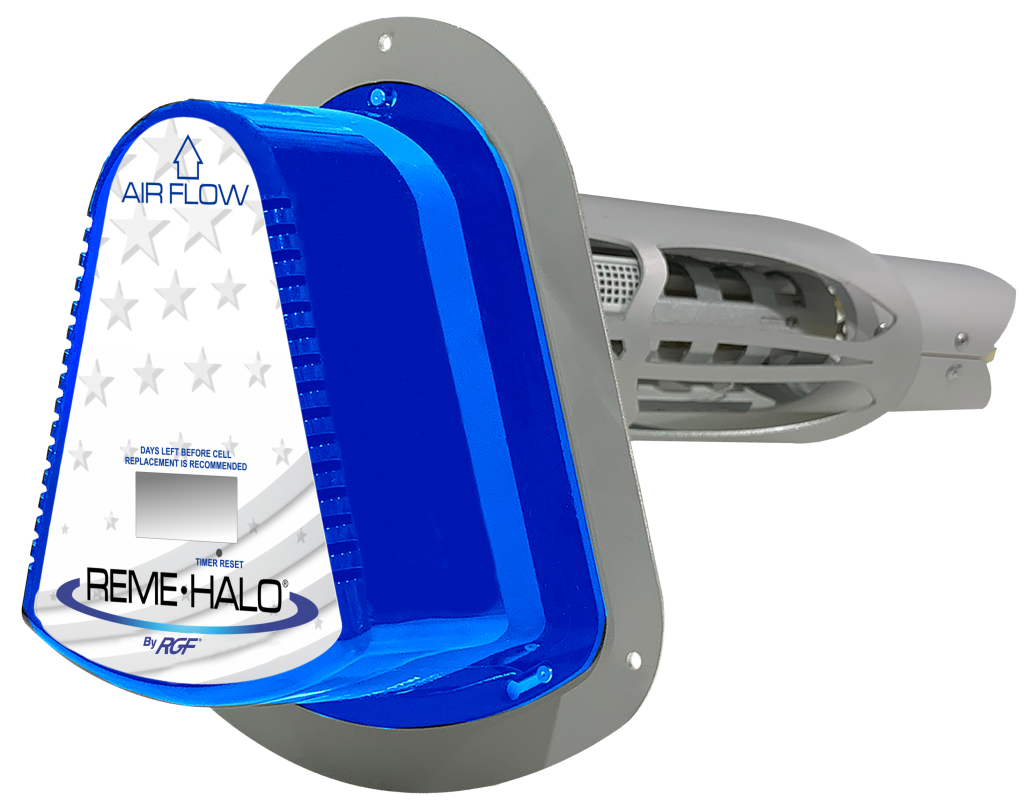
Indoor Air Quality management combines filtration, ventilation, humidity control, and air treatment technologies. These systems work alongside HVAC equipment to improve overall air conditions and maintain consistent performance throughout the facility.
Together, these solutions help control particulates, odors, moisture, and airborne pollutants. Proper system design ensures balanced airflow and consistent air quality across all occupied spaces.
Air quality directly affects occupants and day to day operations. Poor IAQ can impact comfort, attendance, and even equipment reliability. Many facilities now treat IAQ as a core part of risk management and operational planning.
Maintaining stable air conditions helps prevent mold growth, moisture damage, and dust buildup. This reduces maintenance issues and supports a safer, more reliable indoor environment.
Different facilities require different IAQ strategies. Solutions are typically matched to occupancy levels, operational risks, and environmental goals to deliver the right balance of comfort, safety, and efficiency.
Each environment presents unique challenges, from high occupant density to sensitive processes. Tailored IAQ solutions ensure that ventilation, filtration, and humidity control meet the specific demands of the space.
Environmental Air Systems provides complete commercial indoor air quality services integrated with your existing HVAC systems. From initial assessment through installation, ongoing maintenance, and repair, we manage every aspect of your commercial IAQ program.
From planning through ongoing service, our team provides reliable solutions that keep your building healthier, more comfortable, and operating efficiently year round.
Call 732-681-0856 or Request a Quote to discuss IAQ with Environmental Air Systems — ensuring your facility breathes better, performs better, and is future-ready.
Have more questions? Give us a call — our team is always happy to help.
View All FAQsCommercial indoor air quality refers to the condition of the air inside commercial buildings as it affects occupant health, comfort, and productivity. It encompasses particle levels, humidity, temperature consistency, ventilation adequacy, and the presence of airborne biological contaminants, VOCs, and odors. Commercial IAQ management uses filtration, ventilation, humidity control, and air purification technologies integrated with HVAC systems.
Common indicators include occupant complaints of headaches, fatigue, or respiratory irritation that improve when they leave the building, recurring musty odors particularly after the HVAC system runs, visible mold or moisture staining near HVAC vents, elevated absenteeism, and HVAC systems that run adequately but leave spaces feeling stuffy. The most common causes include inadequate fresh air ventilation, biological growth in HVAC systems from inadequate filtration and humidity management, insufficient filtration, VOC off-gassing from building materials and cleaning products, and in coastal facilities elevated humidity promoting mold growth in ductwork and on coil surfaces.
Commercial buildings generally benefit from MERV 11–13 filtration. MERV 13 is appropriate for medical offices and facilities with sensitive occupants. Higher MERV ratings require evaluation of your HVAC system's ability to handle increased filter resistance. We assess your specific equipment before recommending any filtration upgrade.
Yes, ventilation is one of the most fundamental IAQ factors. Adequate fresh air dilutes indoor-generated pollutants. Many older NJ commercial buildings have HVAC systems that don't deliver adequate fresh air — improving fresh air ventilation is often one of the highest-impact IAQ improvements available.
New Jersey has specific IAQ regulations for schools under the NJ Department of Education's IAQ Program. For other commercial facilities, NJ OSHA addresses general duty to maintain safe working conditions, and ASHRAE Standard 62.1 sets ventilation minimums. Healthcare facilities have additional regulatory requirements. We help commercial clients understand applicable standards and implement systems that meet or exceed them.