Most homeowners think about air filters as a maintenance item — something to swap out every few months and not think about otherwise. At the Jersey Shore, indoor air quality deserves more attention than that. Coastal NJ homes face a combination of air quality challenges that inland properties simply don't — and the right filtration strategy makes a meaningful difference in comfort, health, and HVAC system life.
A proper filter assessment takes your specific home, location, and HVAC system into account — what works for a newer inland home may not be the right choice for an older Shore cottage two blocks from the beach.
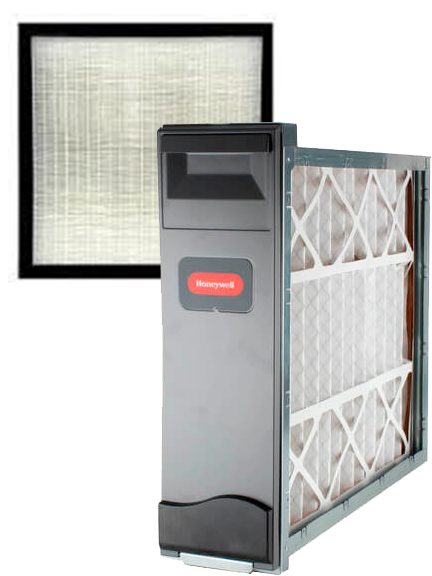
Your air conditioner does more than cool your home, it also circulates air throughout every room. Air filters capture airborne particles as air moves through your system, keeping dust, pollen, pet dander, and other debris from reaching your indoor air or settling on internal components.
Proper filtration protects your equipment and ensures cleaner, healthier air for you and your family.
Our team can recommend the best air filtration solution for your home's needs.
Using the correct filter can have a big impact on comfort, efficiency, and system longevity. Clean, properly rated filters allow your system to perform as designed, reduce strain on components, and help prevent costly repairs.
Regular filter checks and replacements are a small step that pays off in reliable comfort and cleaner air year-round.
Air filters come in many styles and efficiencies, and selecting the right type can make a noticeable difference in both air quality and system performance.
Choosing the right filter for your system ensures it works efficiently while keeping your indoor air clean.
Not all filters work well with every system. A filter that is too restrictive can reduce airflow and lower efficiency, while one that’s too basic may not capture enough particles.
Proper filtration supports long-term system health and keeps your home comfortable and safe. Environmental Air Systems helps homeowners choose, install, and maintain the right filters for their system.
With professional guidance, you can breathe easier knowing your AC system is running efficiently, and your indoor air is clean and healthy.
Don’t settle for dust, allergens, or uneven airflow.
Have more questions? Give us a call — our team is always happy to help.
View All FAQsMERV 8 is the standard recommendation for most homes — it captures dust, pollen, mold spores, and common allergens without significantly restricting airflow. MERV 11 provides better filtration for allergy sufferers and captures finer particles. MERV 13 provides near-hospital-grade filtration but requires your HVAC system to be capable of handling the increased airflow resistance. We can tell you what MERV rating your system can support.
Standard 1-inch filters should be checked monthly and replaced every 1–3 months. High-efficiency 4–5 inch media filters typically last 6–12 months. Homes with pets, smokers, or allergy sufferers benefit from more frequent changes. A clogged filter is one of the most common causes of HVAC problems and is entirely preventable.
Yes, a severely clogged filter restricts airflow causing the system to work harder, reducing efficiency, and potentially causing the heat exchanger to overheat (furnaces) or the evaporator coil to freeze (AC). In severe cases it can cause equipment failure. Regular filter replacement is the single easiest and most impactful HVAC maintenance task homeowners can do.
For allergy sufferers, asthma patients, or anyone who wants meaningfully cleaner indoor air, yes. Whole-home systems integrated into your HVAC filter all the air in your home continuously, unlike portable air purifiers that only treat a single room. At the Jersey Shore where outdoor allergen and humidity levels are elevated, whole-home filtration delivers real and noticeable air quality improvement.
A filter physically traps particles as air passes through, it's passive and only captures what flows directly through the filter media. An air purifier uses additional technologies — UV light, ionization, or photocatalytic oxidation — to neutralize contaminants including biological ones that may pass through filter media. The two are complementary technologies and work best together.